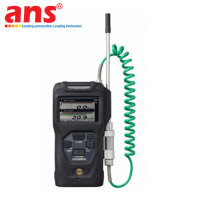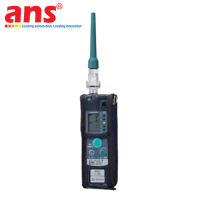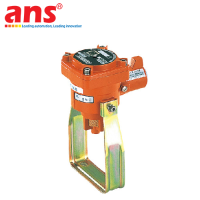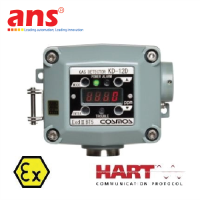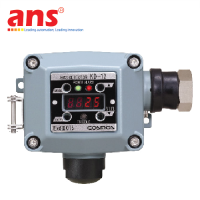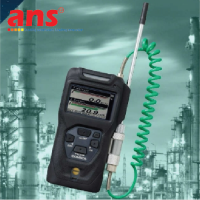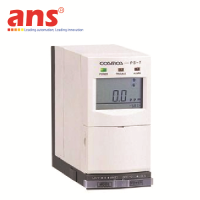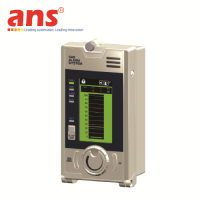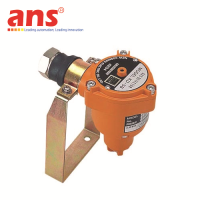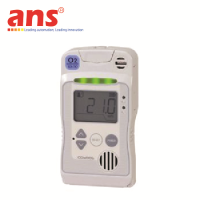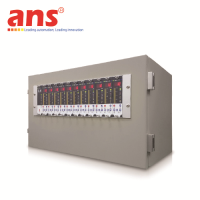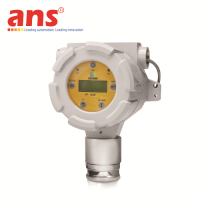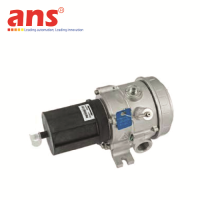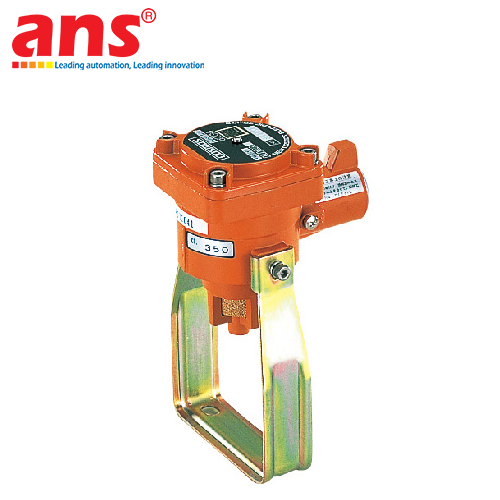
New Cosmos EP-2A-C1C10 Industrial Gas Leak Detector Assembly (Genuine)
Price: Contact
Brand: New-Cosmos
Category: Gas Detector
Supplier: AnhNghiSon
Origin: Japan


 0911472255
NEW COSMOS ELECTRIC EP-2A-C1C10 INDUSTRIAL GAS LEAK DETECTOR ASSEMBLY (PART CODE: Y4550-C1C10)
DEEP PRODUCT OVERVIEW & HAZARDOUS INDUSTRIAL ALIGNMENT
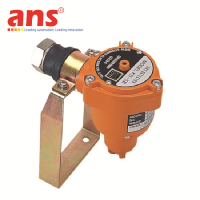
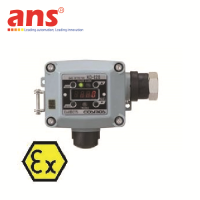
The New Cosmos Electric EP-2A-C1C10 (Order Part Code: Y4550-C1C10) is a heavy-duty industrial gas leak detection and measurement assembly, engineered and manufactured 100% in Japan by the global gas-sensing pioneer New Cosmos Electric Co., Ltd. Acting as an uncompromised continuous monitoring asset anchored directly on the factory floor, this premium device features a rugged, explosion-proof construction designed for safe operation inside harsh processing zones with volatile ignition hazards. The cornerstone technical component driving the performance of this assembly is its premium integrated PD-2DC Sensor Head. The seamless coordination between its optimized gas diffusion chamber, balanced bridge electronics, and flameproof mechanical enclosure positions the EP-2A-C1C10 as an irreplaceable front-line shield, safeguarding human life and high-value facility assets against combustible gas failures common to heavy boiler rooms, natural gas transfer hubs, petrochemical distribution lines, and dồi dào organic biogas storage yards.
TECHNICAL ANALYSIS OF THE WHEATSTONE BRIDGE CIRCUITRY AND PD-2DC SENSOR HEAD
The operational core of the PD-2DC sensor head relies on the catalytic combustion principle, utilizing a high-precision symmetric Wheatstone bridge circuit configuration. Inside the sampling chamber, the sensor houses a paired set of wire elements: an active detecting element embedded with a specialized technical catalyst and an identical inactive reference element for ambient temperature compensation. These premium Platinum wire filaments are continuously heated to a controlled state via a stable, highly regulated continuous electrical current.
- The precise millisecond a target gas leak occurs, Methane (CH4) molecules diffuse through the protective sintered filter into the active measuring cell, making direct contact with the catalytic coating on the platinum wire. This immediately triggers a flameless chemical micro-combustion oxidation reaction directly on the catalyst substrate, releasing localized thermal energy that increases the physical temperature of the active platinum filament.
- This temperature surge induces a deterministic, proportional change in the electrical resistance profile of the platinum wire, disrupting the initial voltage balance across the Wheatstone bridge layout. The integrated microelectronic circuit conditions and evaluates this voltage sụt giảm mismatch with outstanding accuracy, transforming the deviation into a highly linear, real-time percentage reading spanning a 0 to 100% LEL scale with zero trailing edge latency.
HEAVY INDUSTRIAL d2G4 FLAMEPROOF STANDARD AND CENTRALIZED INDICATOR NETWORKING
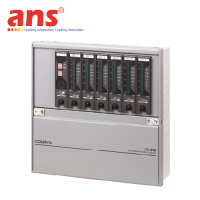
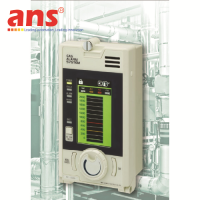
Because the primary operational task of the equipment involves logging volatile gases with heavy explosion profiles, the EP-2A-C1C10 assembly is strictly engineered to meet the highest electrical safety standards, ensuring it can never behave as an ignition source. The entire sensor block is encapsulated within a dense, heavy-walled cast alloy flameproof enclosure certified under the strict Japanese industrial d2G4 explosion-proof standard (or equivalent international explosion protection guidelines). This heavy mechanical build ensures that if an internal circuit fault, short-circuit, or electrical arc occurs inside the sensor's electronics, the thick alloy shell fully contains the internal explosion pressure and thermal energy. It smothers the flame path internally, preventing any sparks or thermal points from escaping into the surrounding gas-rich atmosphere. The monitoring data is then transferred safely via continuous electrical signaling loops back to centralized control systems (such as the New Cosmos NV-120 or NV-100 series panel racks) located in the safe master control room.
METHANE (CH4) PHYSICAL CHARACTERISTICS AND GEOMETRIC INSTALLATION PRINCIPLES
On-site installation and structural positioning of the sensor hardware must strictly align with the volatile properties of Methane (CH4). The primary physical characteristic of CH4 gas is its exceptionally light vapor density rating of approximately 0.55—rendering it significantly lighter than ambient air. Consequently, when a pressurized leak occurs from valves or joint infrastructure, CH4 gas floats straight up vertically and accumulates rapidly in high concentrations right beneath the ceiling structures.
- Mandatory Field Positioning: The sensor head must be suspended at an elevated height, with the ideal installation window calibrated between 10 cm and 30 cm below the ceiling grid or the highest point of the roof canopy. The sensing matrix must be positioned directly above high-risk leak nodes, including pressure regulating valve manifolds, structural pipe flanges, or industrial boiler burners.
- Prohibited Mounting Layouts: Never install this Methane tracking hardware near the floor level, baseboards, or deep trench pits (low-level mounting slots are restricted exclusively to gases heavier than air, such as LPG, Butane, or Propane). Additionally, avoid mounting the sensor head directly in front of HVAC supply registers, ventilation fans, or strong forced air currents, as high-velocity draft paths will forcefully disperse leaking gas layers, diluting local nồng độ and masking critical gas hazards from the sensor.
PREDICTIVE MAINTENANCE: SENSOR POISONING THREATS AND CALIBRATION LOOPS
- The Hazard of Sensor Poisoning: Catalytic combustion type optical sensors are highly vulnerable to permanent element fouling caused by volatile chemical compounds containing Silicon (including silicone sealants, silicone lubricants, and cleaning solvents), lead vapors, phosphorus, or sulfur derivatives. When these volatile molecules diffuse into the measuring cell, they coat and permanently deactivate the specialized catalyst layer on the platinum wire, leaving the sensor completely "blind" to combustible gas hazards. Therefore, during physical installation and daily operations, it is strictly forbidden to deploy chemical sprays, silicone adhesives, or aggressive cleaners near the detector.
- Periodic Calibration Schedules: To ensure that the industrial safety net remains operational with maximum response efficiency, the EP-2A-C1C10 assembly requires routine preventative maintenance. Controls personnel must perform manual field checks by applying a certified reference Test Gas at a verified concentration every 6 months to 1 year. This verifies base calibration lines, adjusts sensor drift, and re-validates system alarm setpoints to lock down optimal plant asset protection.
MEASUREMENT CAPACITY & PERFORMANCE DATA
- Equipment Manufacturer: New Cosmos Electric Co., Ltd. (Japan)
- Device Assembly Model: EP-2A-C1C10
- Factory Product Code (Part Code): Y4550-C1C10
- Integrated Sensor Head Model: PD-2DC (Premium catalytic sensing block)
- Target Combustible Gas: Methane (CH4) / Main component of CNG, LNG, and Biogas grids
- Target Gas Properties: Specific Gravity / Vapor Density of ~0.55 (Significantly lighter than air, rises vertically)
- Primary Sensing Principle: Flameless Catalytic Combustion utilizing a balanced Wheatstone Bridge circuit layout
- Full Scale Measuring Range: 0 ... 100% LEL (Lower Explosive Limit percentage scale)
- Scale Linearity: Highly linear output profile across the complete 0% to 100% LEL spectrum
ELECTRICAL DATA & SYSTEM PAIRING
- Operating Supply Voltage: Driven and powered straight via the low-voltage DC rails of the paired central control panel
- Signal Output Type: Industrial analog signaling loop engineered for long-distance noise-immune data transfer
- Compatible Control Infrastructure: Connects seamlessly into New Cosmos Electric centralized control panels and alarm indicators (Including the NV-120 Series, NV-100 Series, and custom multi-channel safe zone panel racks).
FIELD INSTALLATION AND MOUNTING MANDATES
- Vertical Mounting Window: Ceiling-suspended layout, strictly positioned 10 cm to 30 cm below the ceiling grid or roof canopy
- Horizontal Proximity Mapping: Mounted directly above pressure regulating valves, pipe flanges, and industrial boiler burners
- Prohibited Mounting Zones: Banned from low-level floor mounting or structural trenches; Banned from direct alignment with HVAC registers, forced air fans, or high-velocity draft currents.
ENVIRONMENTAL RATING, ENCLOSURE, AND COMPLIANCE
- Explosion Protection Classification: Certified flameproof/explosion-proof design rated at the industrial d2G4 standard (Rigid Japanese electrical explosion protection safety compliance)
- Enclosure Shielding Profile: Heavy-walled metallic alloy body built to contain internal electrical arc pressures and suppress flame propagation to the external gas environment
- Mechanical Construction: High-strength rugged industrial alloy body with integrated sintered wire mesh filter for particulate exclusion
- Ingress Protection Rating: IP67 (Completely dust-tight and temporary fluid immersion resistant)
- Recommended Maintenance Schedule: Manual validation check utilizing standard certified Test Gas every 6 months to 1 year
- Target Sensor Poisoning Contaminants: Avoid silicone adhesives, silicone greases, cleaning solvents, lead vapors, sulfur derivatives, and phosphorus compounds.
- Mechanical Production Origin: 100% Manufactured in Japan